
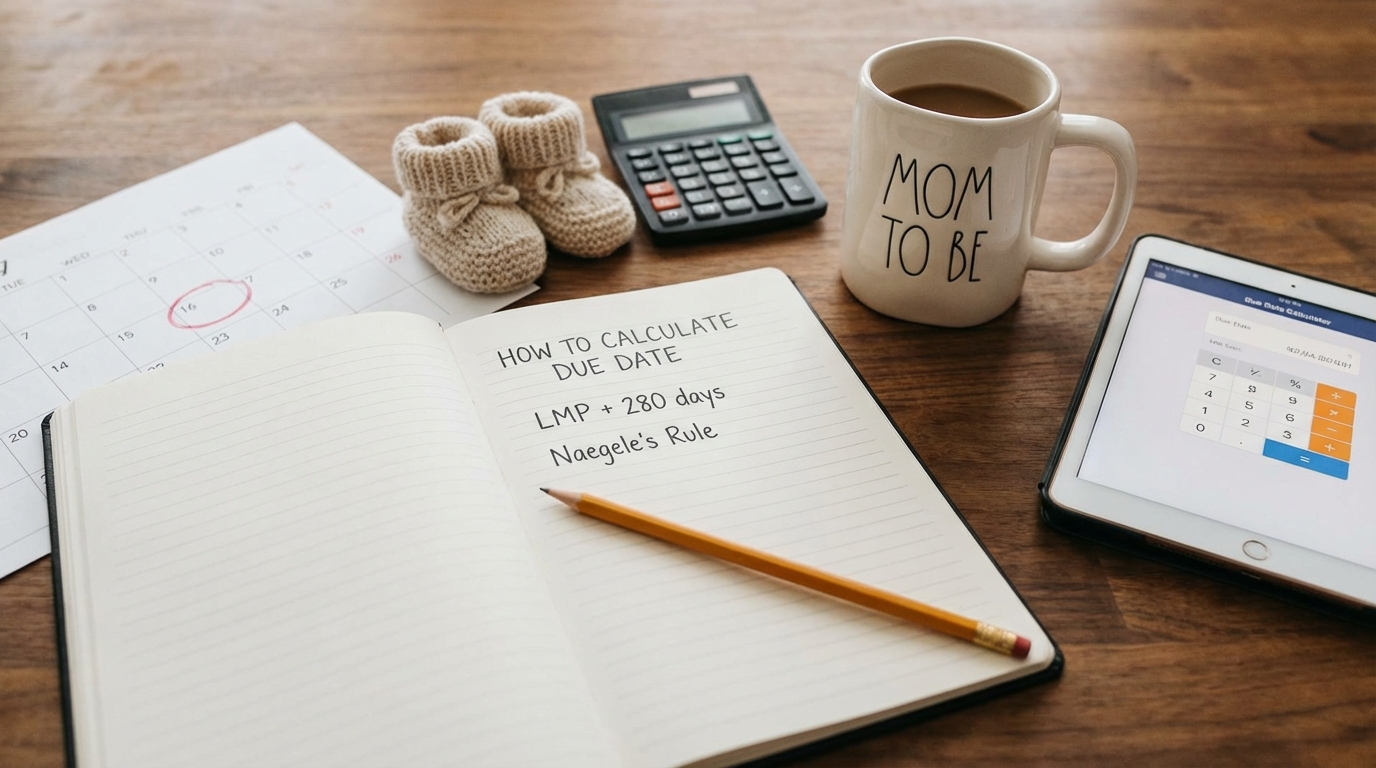
Whether you’re tracking a pregnancy, planning a project, or managing deadlines, knowing how to calculate due dates accurately is essential. Thanks to modern tools like a Date Calculator, determining days, weeks, or months between dates has never been easier. In this guide, we’ll explain step by step how to calculate your due date and use a free online Date Calculator effectively.
What Is a Date Calculator?
A Date Calculator is an online tool that allows you to compute the time between two dates, determine future dates, or find past dates. It can calculate:
- Days, weeks, or months between two dates
- Pregnancy due dates
- Next period dates
- Deadlines for tasks or projects
With a reliable date to date calculator, you save time, reduce errors, and make planning simpler.
Why Use a Date Calculator
Manual calculations for due dates or date differences can be confusing, especially when months have different numbers of days. Using a free Date Calculator provides several advantages:
- Accuracy: Automatically accounts for leap years and month variations.
- Efficiency: Calculates results instantly.
- Flexibility: Can calculate in days, weeks, or months.
- Convenience: Accessible from any device without needing complex formulas.
Whether you are wondering, “how do I calculate due date?” or “how can I calculate my due date of pregnancy?” a due date calculator simplifies the process.
How to Calculate Days, Weeks, or Months Between Two Dates
Calculating the time between two dates is straightforward with a Date Difference Calculator. Follow these steps:
- Open your preferred date to date calculator.
- Enter the start date (e.g., the beginning of your project or pregnancy).
- Enter the end date (e.g., the expected delivery date or project deadline).
- Select the unit of time you want to calculate: days, weeks, or months.
- Click “Calculate” to see the result instantly.
This method works perfectly for:
- Project management
- Personal scheduling
- Pregnancy tracking
- Event planning
With a calculate dates between two dates tool, you avoid mistakes caused by manual calculations.
How to Use a Date Calculator for Pregnancy
Pregnancy planning is one of the most common uses of a due date calculator. Most pregnancies last about 40 weeks (280 days) from the first day of your last menstrual period (LMP). To calculate your pregnancy due date:
- Enter the first day of your last period.
- Select the pregnancy duration (usually 40 weeks).
- Click “Calculate” to find your estimated due date.
This approach answers questions like:
- “How is pregnancy due date calculator determined?”
- “How can I calculate my due date of pregnancy?”
A pregnancy due date calculator simplifies planning prenatal care, preparing for delivery, and monitoring fetal development.
How to Calculate Your Next Period Date
Tracking menstrual cycles can also be done using a date calculator. Here’s how to determine your next period date:
- Input the first day of your last period.
- Enter your average cycle length (usually 28 days, but it varies).
- Click “Calculate” to see the expected start of your next cycle.
This is especially helpful for family planning, fertility tracking, and general health monitoring.
Using a Date Calculator for Work and Personal Planning
Beyond pregnancy and menstrual tracking, a date difference calculator is extremely useful for work and personal projects. Examples include:
- Project deadlines: Calculate the number of days or weeks until a project is due.
- Event planning: Determine how many days until a wedding, birthday, or vacation.
- Financial planning: Track due dates for bills, loans, or taxes.
With a date to date calculator, you can quickly see how many days, weeks, or months remain between two important dates.
Benefits of Calculating Dates Online
Using a free online Date Calculator has several advantages:
- Error-free calculations: Eliminates mistakes caused by manual math.
- Time-saving: Results are instant, saving hours of calculation.
- Flexibility: Switch easily between units like days, weeks, and months.
- Accessibility: Available on desktop, tablet, or mobile.
- Comprehensive: Can be used for pregnancy, menstrual cycles, or general date tracking.
Tips for Accurate Date Calculations
To ensure the most precise results from your Date Calculator, keep these tips in mind:
- Double-check the start and end dates before calculating.
- Know your menstrual cycle length if calculating next period dates.
- Use the standard pregnancy duration of 40 weeks for due date calculations unless your doctor specifies otherwise.
- Account for holidays or non-working days if calculating project deadlines.
How to Calculate Due Date Manually
While a due date calculator is faster, you may occasionally need a manual approach. Here’s the standard method for pregnancy:
- Find the first day of your last menstrual period (LMP).
- Add 280 days (40 weeks) to this date.
- Adjust for the actual cycle length if it differs from 28 days.
Manual calculations can be tricky, which is why a free online Date Calculator is highly recommended for accuracy.
How to Choose the Right Date Calculator
When looking for the best date calculator, consider these features:
- Ability to calculate days, weeks, or months between two dates.
- Simple interface with easy-to-enter start and end dates.
- Options for pregnancy due date calculation and menstrual cycle tracking.
- Free to use without hidden fees.
- Responsive and mobile-friendly design.
A reliable Date Difference Calculator should handle all these needs efficiently.
Conclusion
Knowing how to calculate due date or the difference between dates is essential for pregnancy planning, menstrual tracking, work deadlines, and personal events. A free online Date Calculator provides an accurate, fast, and convenient way to determine dates without manual errors.
Whether you want to calculate dates between two dates, calculate your next period date, or use a pregnancy due date calculator, a simple online tool can save time and help you stay organized. Don’t waste time on manual calculations—try our free Date Calculator today to get instant and accurate results!